Lowville
Streetwear brand from zero. Identity, product, photography, community, retail.
Role
Founder, designer, producer, photographer, model, art director, and shipping clerk.
Timeline
2017 to 2023. Currently paused.
Team
Solo. Every touchpoint end to end.
Shipped
A streetwear label built and run solo from 2017 to 2023. 7+ drops, over a thousand products shipped, stockists in Noosa and Melbourne, Instagram peak of 5,500 followers, and partnerships with Gold Haus, Brewtopia, and Yeux Magazine.
Context
Lowville started as a high school capstone project.
Final year of Visual Communication Design. The brief was open. I spent the year building a full streetwear brand from the world up: the products, the communications, the infrastructure around it. I fell in love with the process of designing an ecosystem, not a single artifact. When school ended, the project didn’t. I kept going, solo, for the next six years.
It became my education in what running a brand actually meant. Not just the identity. The garment sourcing calls. The Instagram DMs at midnight from someone in Perth asking about sizing. The pack-and-ship routine on the kitchen table. The photoshoots I both shot and modelled in. Every touchpoint, mine.
Process
Lowville was for Melbourne kids.
The skaters. The kids with a broken pair of over-ear headphones on the tram. The ones who didn’t want to just fit in. It wasn’t for the mainstream streetwear customer who wanted the logo everyone else already had. It was for the kid in the back of the classroom drawing on their pencil case.
Three brand worlds shaped the reference stack.
Odd Future, for the counterculture flair. The idea that a brand could be built on a distinct point of view first, and the merchandising figured out second.
Ichpig, the Melbourne brand, for the local scene DNA. Proof that a small Australian label could carry a world without importing one from LA.
StreetX, out of Perth, for the same reason. A distinctly Australian take on the streetwear tradition, made by people who lived it.
From those three worlds, Lowville pulled its own line. Skate-adjacent, music-adjacent, unapologetically Melbourne.
Solution
I ran every part of it. Design, production, garment sourcing, photography, modelling, art direction, DMs, shipping, retail relationships. The identity system, the drops, the campaign imagery, the packaging, the store, the community. All of it, solo.
Seven-plus drops shipped over four years of active production. The brand system tightened with every release: better garment sourcing, sharper campaigns, more disciplined merchandising, a clearer voice.
Identity
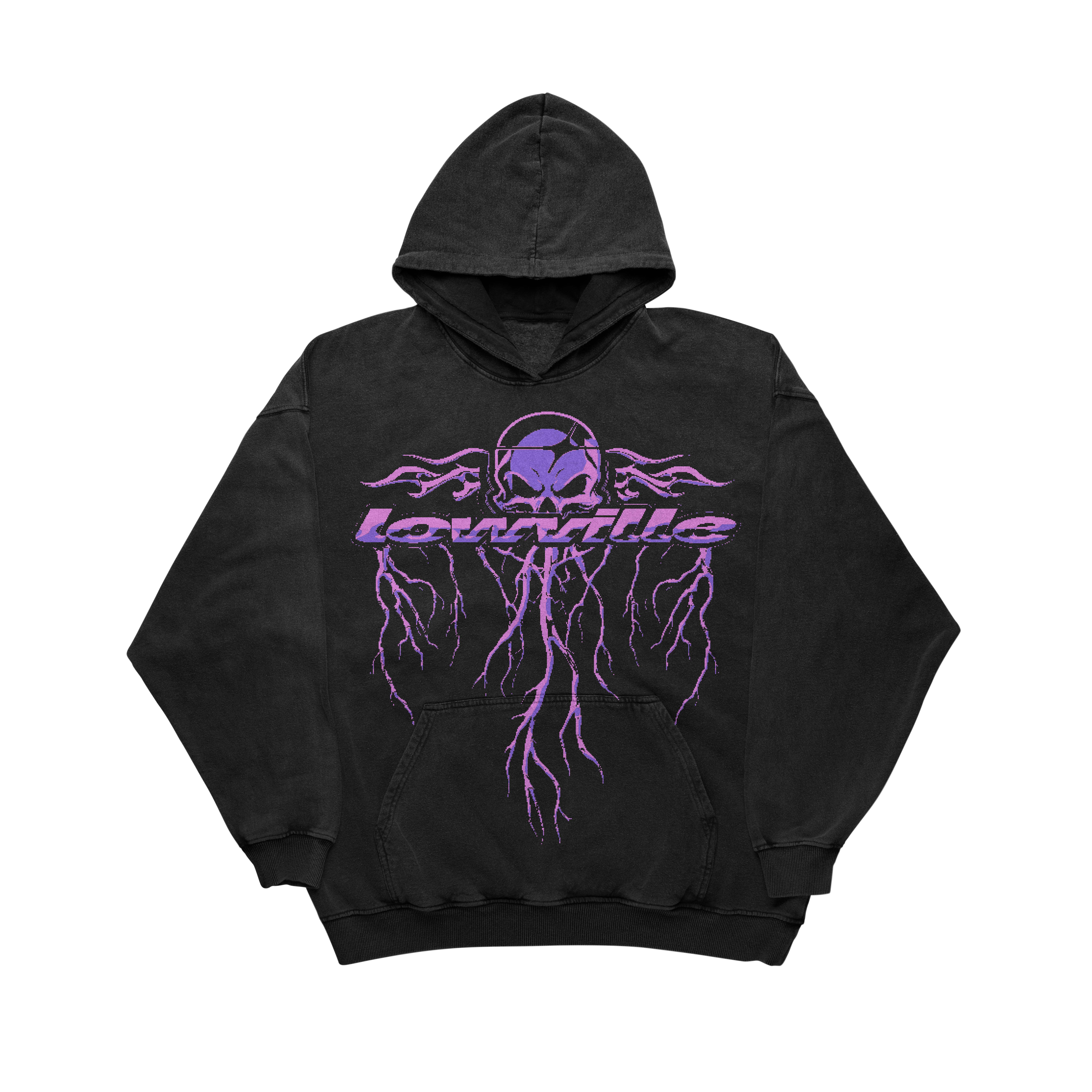
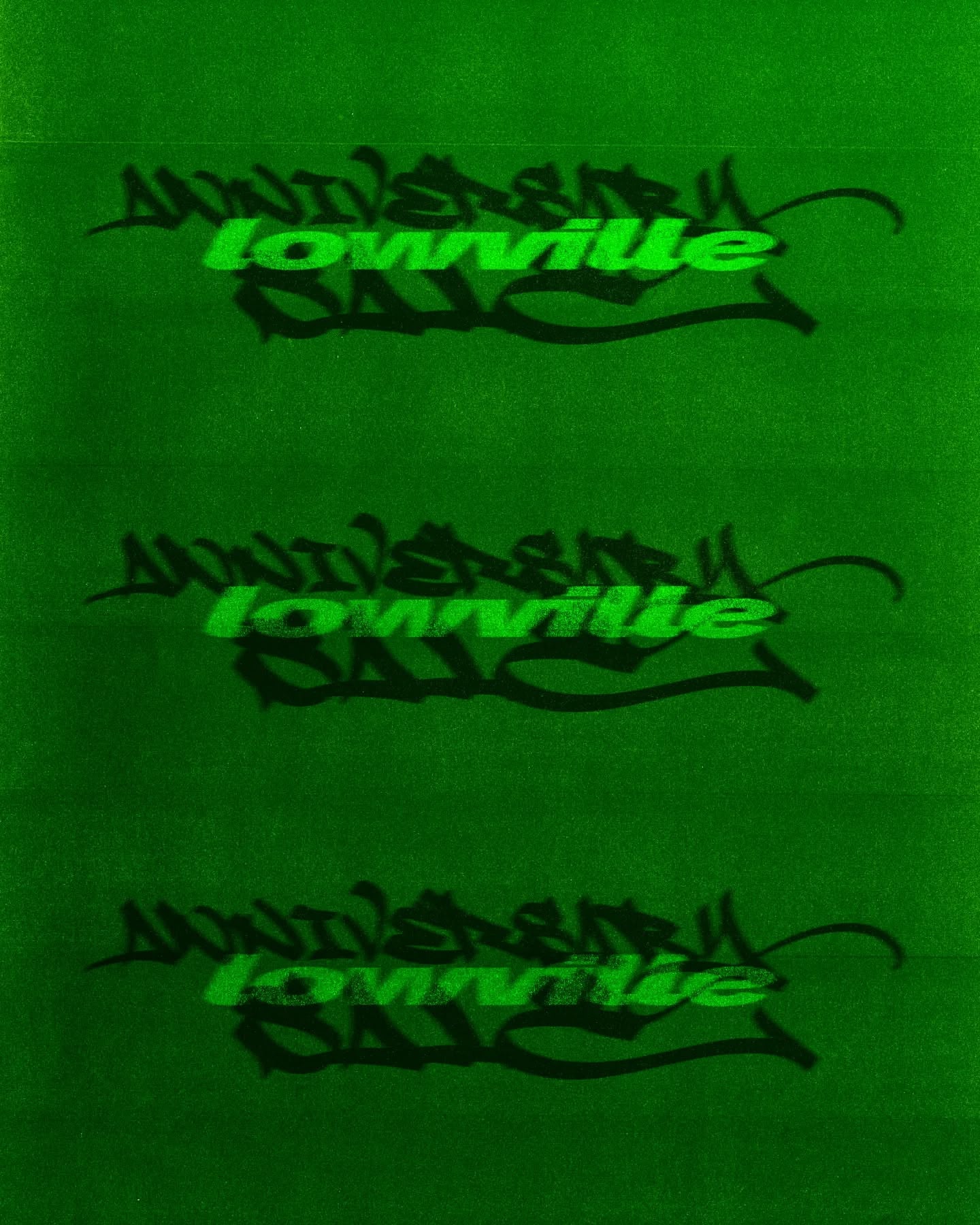
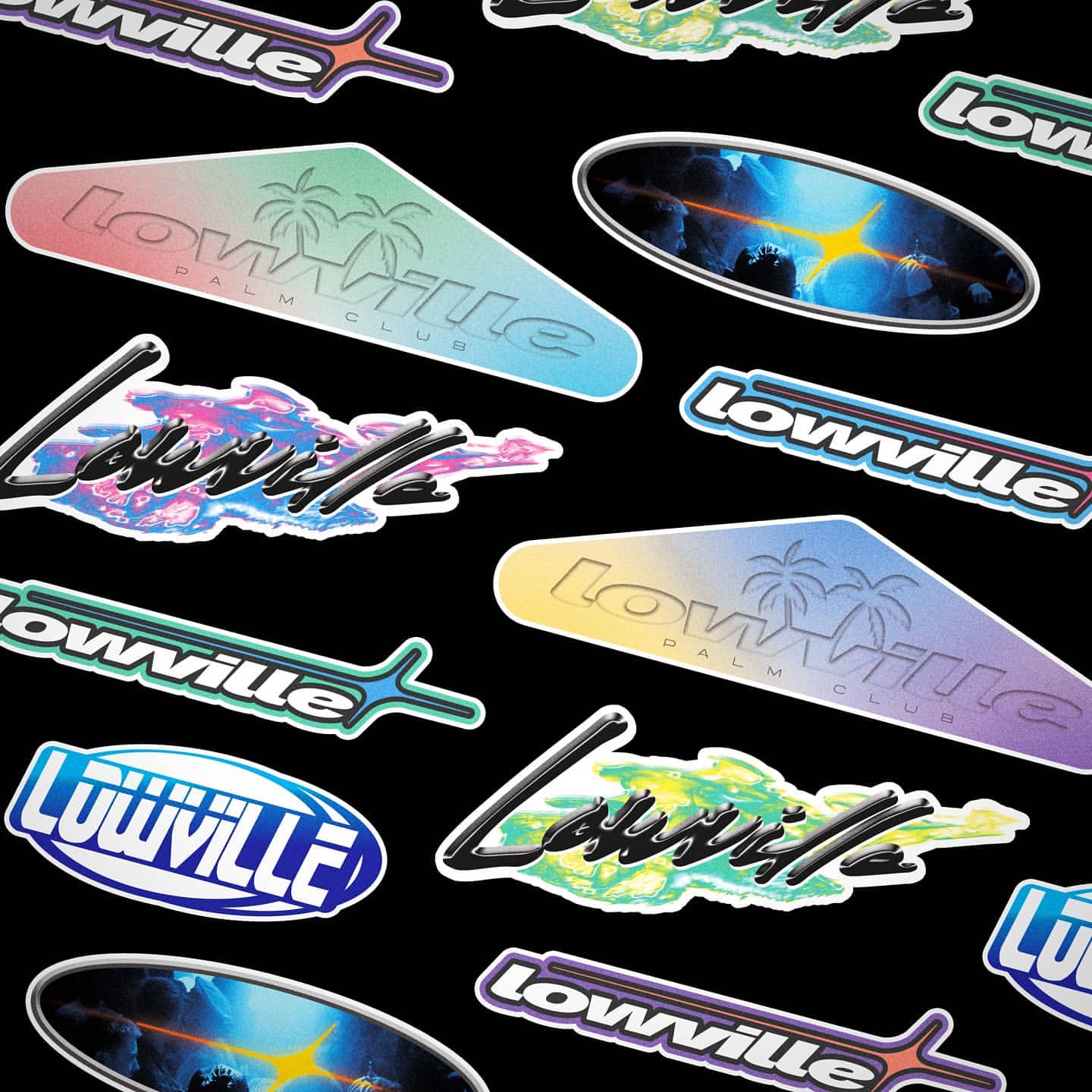
The wordmark and the star mark. Two lockups that carried the brand across garments, photography, packaging, and the shop.


Product
Seven-plus drops across four years. Tees, hoodies, keychains, one-off collaborations. Every piece designed, sourced, and photographed in-house.
Campaign photography
Shot with mates, models drawn from the community, locations across Melbourne. Every piece styled, shot, and edited solo across every drop cycle.
Promotional and community
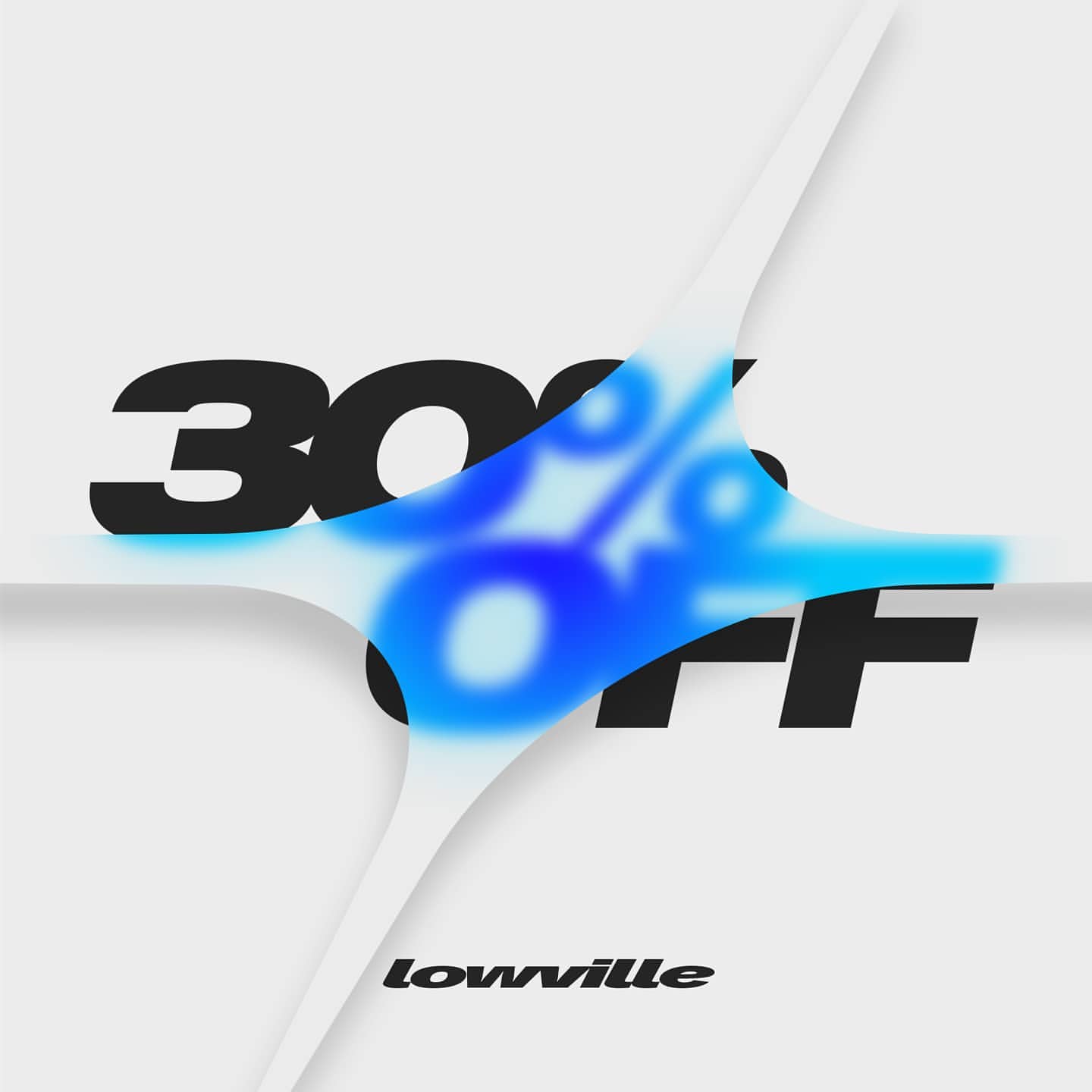
Instagram feed, drop announcements, and the small paid campaigns that ran alongside each release.
Outcome
Over a thousand products shipped in total.
Stockists in streetwear stores in Noosa, QLD, and in Melbourne. Racks in shops meant the brand had crossed from Instagram-only into physical retail credibility.
Instagram peak of 5,500 followers, all organic. No paid growth, no influencer contracts.
Partnerships with Gold Haus, Brewtopia, and Yeux Magazine. Collaborations with Melbourne businesses that shared the audience.
In-person activations at dance music events run with local crew Goldhause. 300+ heads in the venue, Lowville visible on the walls, on the merch tables, on the people who came.
The value that compounded wasn’t the number of tees sold. It was the education. Six years solo, every discipline hit, every stage of a brand system built from zero and iterated in market. The founder skillset earned by doing.
What’s next?
Lowville is paused.
Life developments, other roadblocks, and the demands of a full-time design career eventually stopped the business mechanics. The ideas didn’t stop. New drop concepts, product angles, and campaign directions still show up unprompted.
Maybe one day it comes back. If it does, the six-year foundation is already there.